Spiral vs Elevator Vending Machine: Which Fits?
A side-by-side comparison of spiral, elevator and locker delivery: product envelope, drop tolerance, speed, capacity and service.
Quick answer: 1942×1096×790 mm · +4°C to +25°C · 550 W
Vending machine buyers often compare slot counts and screen sizes, then discover that the delivery system decides whether the machine actually works. A spiral cabinet and an elevator cabinet can look similar from the outside, but they handle products very differently.
This comparison is written for product lists that mix drinks, snacks, boxed food and fragile items. It explains where each system fits, and where a combination is the practical answer. The snack and beverage line contains the spiral and elevator platforms referenced here, and the product overview maps the other cabinet families.
How does spiral delivery work?
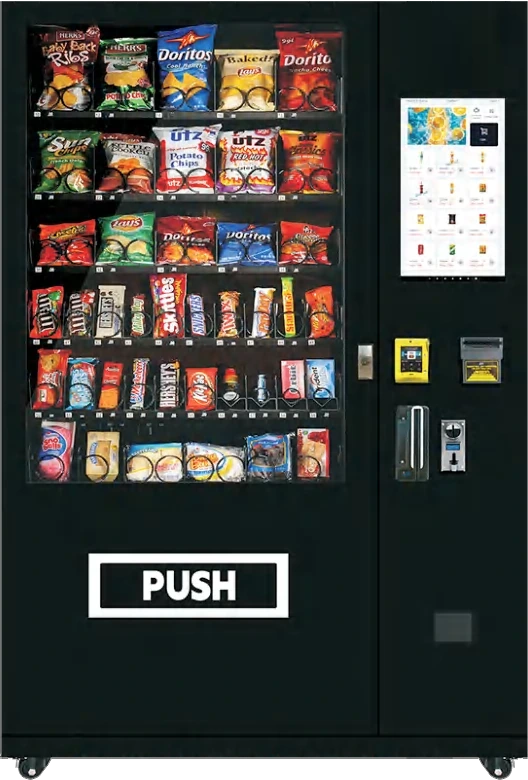
A spiral machine holds each product between the turns of a metal coil. When the customer pays, the coil rotates one turn and pushes the front item forward until it falls into the pickup bin. The system is simple, mechanical and inexpensive to manufacture.
The coil diameter, wire thickness and pitch are selected for the product. A can or a PET bottle needs a coil that holds it securely without crushing it. A bag of snacks needs a coil that does not tear the bag or let it slip between turns. A box needs enough coil length to push it clear of the shelf.
Spiral machines are fast because several coils can be driven at once, and the pickup is a simple drop. They are also compact: a 60-slot cabinet can fit into a 790 mm deep footprint, and the button version removes the screen cost for a fixed product range.
How does elevator delivery work?
An elevator machine stores products on shelves and uses a platform to carry the selected item down to the pickup door. The product is not dropped; it is transported. That changes the product envelope: bags, boxes, glass jars and heavier items are acceptable, and the packaging stays upright.
The trade-off is mechanical complexity and time. The platform must travel to the correct shelf, collect the item and return to the door. A transaction takes a few seconds longer than a spiral drop. The cabinet also needs a larger opening and a safety interlock. The 54-slot elevator machine is a standard example of the format.
For fragile or high-value products, the extra seconds are usually worth it. For a can of soda at a busy station, they are not. The transit interchange case shows how a transport site splits fast drinks from slower product categories.
Which products should never go into a spiral?
Some products are a poor fit regardless of coil tuning:
- Glass jars and bottles that can chip or break on impact;
- Boxes with soft corners that jam between coils;
- Bags that are too tall for the shelf clearance;
- Items heavier than the coil and shelf are rated for;
- Products whose packaging must stay upright.
If the best-selling item is in one of these categories, an elevator or locker cabinet is the safer specification. A bento box cabinet in the fresh food line keeps a meal upright, and a flower compartment cabinet in the flower and gift line protects a bouquet that would be crushed by a coil. Forcing the product into a spiral to save cost usually produces failed deliveries and refund requests.
How do capacity and footprint compare?
A spiral cabinet typically offers more slots per cubic metre because it does not need an elevator shaft or a large pickup chamber. A 60-slot spiral cabinet can be 790 mm deep; an elevator cabinet with a similar slot count is often deeper and heavier.
Locker cabinets take the most space per item because each door has its own frame, lock and opening. Their advantage is flexibility, not density. A 50-door locker bank can hold 50 different SKUs, each in its own compartment, which a 60-slot spiral cannot do as cleanly. The locker and smart cabinet line also covers refrigerated versions for fresh food and flowers.
| System | Best for | Slot density | Transaction speed | Product protection |
|---|---|---|---|---|
| Spiral | Cans, bottles, rigid packs | High | Fast | Low drop tolerance |
| Elevator | Bags, boxes, glass, heavier items | Medium | Medium | High |
| Locker | Meals, gifts, pharmacy, parcels | Low | Medium | Highest |
How does the pickup experience differ?
A spiral machine drops the product into a bin. The customer reaches in and takes it. The bin must be deep enough to prevent hand access to the shelves, and the drop height must not damage the product.
An elevator machine presents the product at a door. The customer takes it from the platform. This is more controlled and easier for older users or people with limited reach. It also makes it possible to keep the pickup area closed between transactions.
A locker opens a specific door. The customer takes the item from the compartment. The experience is closest to a parcel locker and works well for pickup codes and account-based access. A refrigerated locker adds a chilled zone, which is why the format appears in pharmacy cabinets and fresh food pickup.
When is a combination the right answer?
Most real product lists are mixed. A station sells cold drinks, snacks, sandwiches and travel accessories. A hospital sells water, OTC medicine and medical supplies. A campus sells noodles, ice cream and phone accessories.
In these cases, a single delivery system forces a compromise. The practical answer is a combination: spiral for fast-moving drinks, elevator for food and fragile items, locker for high-value or irregular products. A combo elevator machine is the standard two-cabinet version, and a general merchandise cabinet covers non-food categories. The customer can use one payment terminal, or each cabinet can have its own.
The combination also spreads risk. If one cabinet is out of service, the others continue to sell. The route team can repair one module without shutting down the whole installation. The transit hub solution, the office solution and the campus noodle station case show how the mix changes by site.
What should you test before choosing?
Test the actual product, not a representative one. Put the best-selling SKU, the largest SKU and the most fragile SKU through the machine. Check:
- Does the product fit without forcing?
- Does it dispense on the first attempt?
- Is the packaging damaged after delivery?
- Can the customer retrieve it easily?
- Does the shelf layout leave enough stock for the service interval?
Run the test for a few days if possible. A single successful drop in a showroom does not prove that the machine will work on a Monday morning with a full cabinet and a queue. Ask the factory to test the coil or platform against your actual packaging; the OEM scope explains when a shelf change needs new tooling.
The delivery system is the least visible part of a vending machine and the most expensive to change after delivery. Choose it from the product list, then choose the cabinet around it. If you are still fixing the product list, read the selection framework first, then the temperature guide and the cost guide. The smart cabinet guide and the locker guide cover the recognition and compartment alternatives. For a configuration review, send the product dimensions and target volume to the VendHarbor team.
Next step
Turn this guide into a configured machine
Send the product list, site conditions and target volume. We reply with a configuration, lead time and quotation — usually within one business day.
Machines mentioned in this article
FlagshipSnacks & drinks
60-Slot Touchscreen Vending Machine
Six shelves, 300 items and a 7.1-inch touchscreen for drinks and snacks.
View details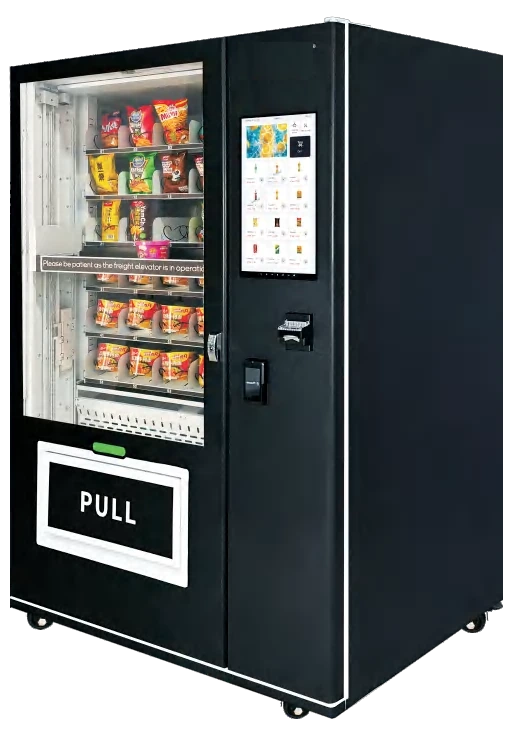 Flagship
Snacks & drinks
54-Slot Elevator Vending Machine
Gentle elevator delivery for fragile, irregular and heavier products.
View details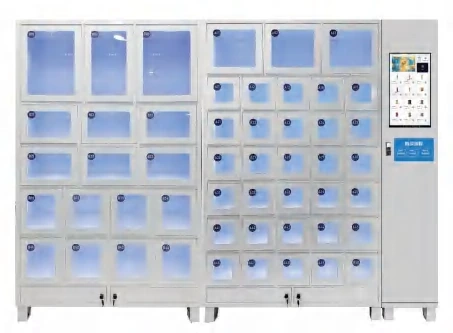 Flagship
Lockers & smart cabinets
50-Compartment Locker Vending Machine
Fifty independent doors in a 350 mm-deep cabinet.
View details