How to Choose a Vending Machine for a New Site
A selection framework for distributors and operators: product envelope, capacity, delivery, cooling, payment and the questions to ask before signing.
Quick answer: 1942×1096×790 mm · +4°C to +25°C · 550 W
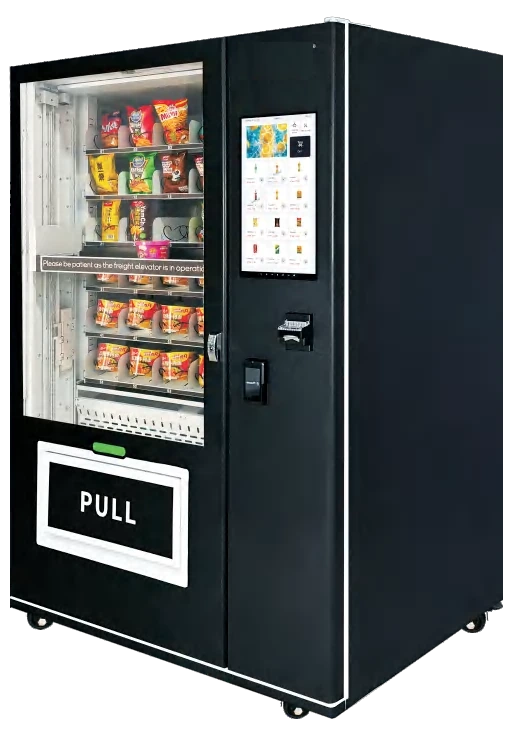
A vending machine is a small retail store with a fixed floor plan. The cabinet, shelves, cooling system and payment terminal all constrain what you can sell and how often you must visit the site. Most failed projects are not caused by a bad machine; they are caused by a machine that was specified for the wrong product list.
This guide sets out the decisions in the order they affect the quotation. It is written for distributors, operators and project buyers who need to compare offers on the same basis. The product overview shows the platform families, and the snack and beverage line covers the most common starting point.
What should you decide before comparing vending machines?
Write down the product list before you look at cabinets. For each SKU, record the dimensions, weight, packaging type and expected daily sales. A machine that looks generous in photographs can be unusable if the best-selling item does not fit the shelf or survives the drop.
The second decision is the service model. Who restocks the machine, how often, and how far is the site from the warehouse? A 300-item cabinet that is refilled twice a week is a different business from a 180-item cabinet refilled daily. Capacity is not a specification contest; it is a service-interval decision.
What product sizes and weights will the machine handle?
Every shelf has a usable width, depth and height. Spiral machines hold products in coils, so the coil diameter and pitch set the maximum package size. Elevator machines carry products on a platform, which accepts a wider envelope but adds a few seconds per transaction — the 54-slot elevator cabinet is a standard example. Locker cabinets sell one item per door and are the most flexible for irregular shapes; the locker and smart cabinet line covers ambient and chilled versions.
Test the extremes, not the average. Send the largest and smallest package to the factory, along with the heaviest item. A bag of snacks that compresses is easy; a rigid box with a sharp corner is not. If the product cannot survive a 300–500 mm drop, specify an elevator or locker. A bento box cabinet keeps a meal upright, and a 24-door flower cabinet protects a bouquet.
| Product type | Typical delivery | Main constraint |
|---|---|---|
| Cans and PET bottles | Spiral | Coil diameter and bottle height |
| Bagged snacks | Spiral or elevator | Bag thickness and drop tolerance |
| Boxed meals | Elevator or locker | Upright packaging and temperature |
| Flowers and gifts | Compartment locker | Bouquet height and door size |
| Pharmacy packs | Locker or pharmacy shelf | Lock control and audit trail |
| Hot drinks | Dedicated brewing platform | Water, power and cleaning |
How many items per day must the cabinet hold?
Estimate daily transactions from footfall, not from hope. A simple starting point is to count the people who pass the site during the hours the machine will operate, then apply a conservative conversion rate. Two to five transactions per thousand passers-by is a common planning range for a well-placed snack and drink machine, but the actual rate depends on the product mix, price and competition. The office and factory solution and the transit hub solution show how dwell time changes the estimate.
Multiply the daily transactions by the number of days between restocks, then add a safety margin for weekends and promotions. If the result exceeds the cabinet capacity, either increase the cabinet size, add a second cabinet or shorten the service interval. A 60-slot touchscreen cabinet holds around 300 items; a master-slave combination raises the capacity without a second control system. Do not solve a service problem by buying a larger machine and hoping the route can keep up.
Which delivery system fits your product mix?
There are three mainstream delivery systems:
- Spiral is the lowest cost per slot and the fastest for uniform cans, bottles and rigid packs. It is a poor fit for fragile or irregular items; the 60-slot button cabinet is a typical entry configuration.
- Elevator carries the product to the pickup door. It handles bags, boxes and heavier items and reduces damage, at the cost of a few seconds per transaction.
- Locker sells one item per door. It is the most flexible for size and shape and is the natural choice for meals, gifts, pharmacy and parcels; the locker bank is the standard format.
Many routes use more than one system. Drinks go into a spiral cabinet; food and fragile items go into an elevator or locker. A combo elevator machine pairs the two in one footprint. The customer sees one payment terminal, but the internal layout is matched to the product. The spiral versus elevator comparison goes deeper on the trade-offs.
What cooling range does your product need?
Chilled drinks usually need +4°C to +8°C. Ambient snacks are fine at room temperature. Fresh food, flowers and some pharmacy items need a narrower band and better temperature stability. A cabinet rated +4°C to +25°C can hold chilled and ambient products, but it cannot hold frozen products or maintain a precise +2°C to +8°C range in a hot corridor. The fresh food line and the flower and gift line cover the narrower bands.
Ask for the temperature range at the installation site, not only in the factory. Ambient temperature, door openings, direct sunlight and ventilation all change the cooling load. If the site is a glass-fronted mall corridor in summer, specify a cabinet with enough cooling capacity and confirm the ventilation clearance. The temperature guide explains how to verify the band after installation.
How will customers pay?
Payment is a local decision. In some markets card is dominant; in others QR wallets or coins are still important. The machine should support the method customers already use, not the method that is easiest to export.
For each payment module, ask:
- Is it certified for the destination market?
- Does it settle in the local currency?
- What happens when the network is down?
- Who provides the merchant account and settlement?
- Can the module be replaced without changing the cabinet?
A machine with one payment method is a single point of failure. A machine with four modules can be over-specified and harder to service. Match the kit to the site. The payment options guide covers card, QR, coin and account models, and the software platform handles settlement reporting.
What site conditions affect the installation?
Measure the door width, corridor width, floor level and power point before the machine is shipped. A cabinet that cannot pass through the service entrance is an expensive mistake. Check:
- Floor loading and levelness;
- Distance to the nearest power point and socket type;
- Ventilation clearance around the cabinet;
- Network coverage for the payment terminal;
- Access hours for restocking;
- Any landlord rules on signage, noise or cabinet color.
For outdoor or semi-outdoor sites, confirm the IP rating, sun exposure and water drainage. A standard indoor cabinet is not a waterproof cabinet. The healthcare solution is a useful example of a site type with additional conditions.
What should a quotation include?
A useful quotation is a specification document, not a price line. It should state the cabinet dimensions, slot count, product envelope, cooling range, power consumption, voltage, payment modules, warranty period, spare parts list, packaging and documentation language.
Ask for the lead time for the exact configuration, not the catalog average. Ask what happens if a product does not fit after delivery, and who pays for the shelf change. Ask for the names of the control board, compressor and payment modules, so you can judge serviceability in your market. The OEM and customization scope explains which changes need tooling; the cost guide explains which options move the price.
The cheapest cabinet is rarely the lowest total cost. A machine that fits the product, the site and the service model will earn more than a larger machine that is always out of stock or a cheaper machine that cannot sell the best-selling item. The manufacturer selection guide covers the factory side of the same decision.
How should you validate the choice before ordering?
Order a sample or a configuration sample when the product is new or the site is unusual. Run it for a week with the actual product list, the actual payment method and the actual restocking routine. Record stockouts, failed deliveries and customer complaints. Adjust the shelf layout before the production order, not after.
If a sample is not possible, ask the factory to test the product list on a demonstration machine and send video of the drop, the elevator cycle and the payment flow. A video is not a substitute for a site test, but it catches obvious mismatches early. The office coffee and lunch case shows what a mixed pilot looks like in practice.
The selection process ends when the product list, service interval, delivery system, cooling range, payment kit and site conditions are written into one document. That document is the basis for the quotation, the acceptance test and the after-sales conversation. If the format is still open, compare the smart cabinet guide before fixing the cabinet. For a configuration review, send the product list and site details to the VendHarbor team.
Next step
Turn this guide into a configured machine
Send the product list, site conditions and target volume. We reply with a configuration, lead time and quotation — usually within one business day.
Machines mentioned in this article
 Flagship
Snacks & drinks
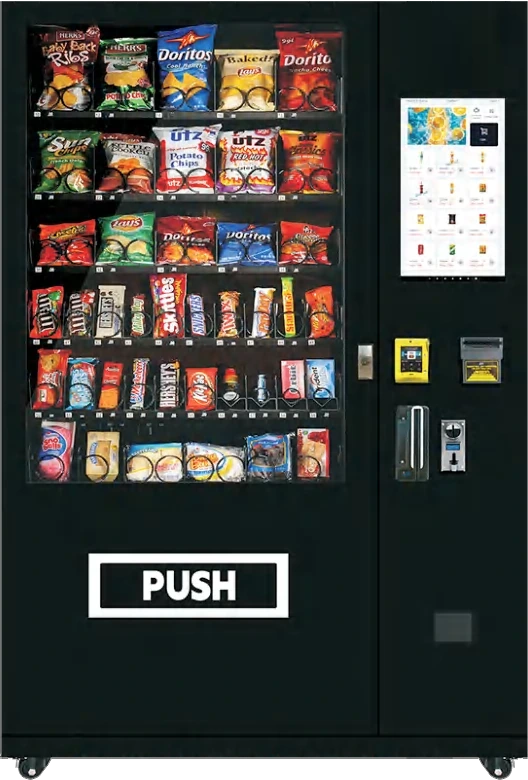
60-Slot Touchscreen Vending Machine
Six shelves, 300 items and a 7.1-inch touchscreen for drinks and snacks.
View detailsFlagshipSnacks & drinks
54-Slot Elevator Vending Machine
Gentle elevator delivery for fragile, irregular and heavier products.
View details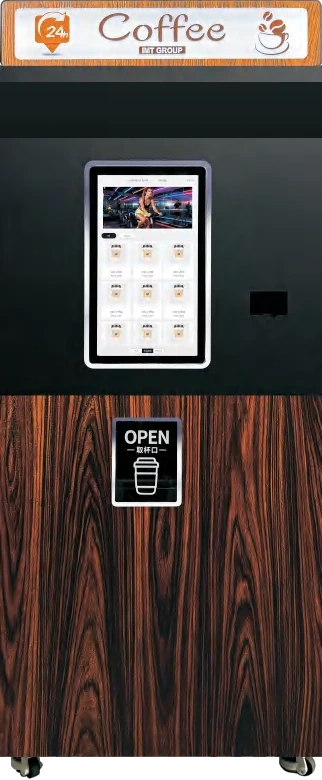 Flagship
Fresh food & drinks
Freshly Ground Coffee Vending Machine
Bean-to-cup coffee, six instant canisters and 150 cups per fill.
View details