Vending Machines for Offices, Schools and Gyms
How to translate headcount into machine count, choose the product mix, and specify payment, access and restocking for workplaces.
Quick answer: 1942×1096×790 mm · +4°C to +25°C · 550 W
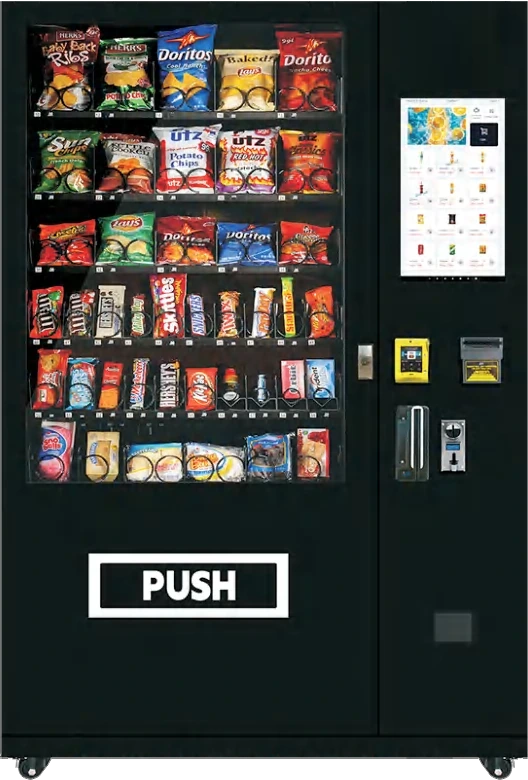
A workplace vending machine is a small retail operation with a captive audience. The people who pass it are the same people every day, which makes the product mix predictable and the restocking route efficient. It also makes mistakes visible: the wrong coffee, an empty water row, or a payment terminal that does not accept the local card will be noticed immediately.
This guide covers three site types that are often grouped together but behave differently: offices and factories, schools and campuses, and gyms. It explains how to translate headcount into machine count, which formats fit each site, and what to confirm before the order. The office and factory solution and the education solution provide the site-level context.
How many vending machines does an office need?
The first input is not headcount; it is daily footfall past the machine. A 200-person office with hybrid work may have 90 people on site, and only a fraction of them buy from the machine each day. A factory with three shifts may have the same headcount but a much higher transaction count because the machine is the only food option on site.
Use headcount as a starting range, then adjust for shift pattern, site isolation, canteen availability and price level.
| Daily users on site | Planning range | Typical configuration |
|---|---|---|
| Under 50 | One machine | 36-slot button or touchscreen cabinet |
| 50–150 | One combo or two machines | 60-slot combo with chilled and ambient zones |
| 150–300 | Two to three units | Master-slave snack and drink plus coffee |
| 300+ | Multi-unit site | Combo cabinets, coffee, fresh food or a micro market |
The table is a planning aid, not a rule. A site with a staffed canteen needs fewer machines; a remote site with no nearby shops needs more. The selection framework explains how to turn the product list and service interval into a cabinet size.
What do office users buy?
Coffee and water are the anchors. A coffee platform or a tea machine often earns more per square metre than a snack cabinet because the purchase is habitual and the margin is higher. Bottled water and soft drinks follow; snacks fill the afternoon and the late shift.
The mix changes with the workforce. An office with meeting rooms sells more coffee and packaged snacks; a factory with shift work sells more energy drinks, noodles and ready meals. A bento box cabinet or an instant noodle machine can be the difference between a site that serves lunch and one that does not.
Do not build the planogram from a catalogue. Run a two-week product test in the actual site, or start with a small cabinet and let the sales data choose the next fill. The route planning guide shows how to use sales by slot to adjust the mix.
Which machine fits a school or campus?
Schools need a product policy before they need a machine. Many institutions restrict sugary drinks, require healthy options and control access by age or timetable. The cabinet should support those rules: a locked door, a time schedule, a product list approved by the school, and a payment method that parents and staff can control.
A campus with older students and staff can support a broader mix: coffee, tea, snacks, noodles and cold drinks. A 36-slot touchscreen cabinet fits a small staff room; a 60-slot touchscreen cabinet fits a busy corridor. The campus noodle station case shows a food-led installation rather than a snack-led one.
Access control is the other issue. A machine in a public corridor needs a payment terminal and a clear refund policy. A machine in a staff room can use an account or a badge. The payment options guide explains the difference.
Which machine fits a gym?
Gyms sell recovery and convenience: water, sports drinks, protein shakes, bars, towels and small accessories. The purchase is often immediate and price-insensitive compared with a supermarket, because the customer is mid-workout or on the way out.
A protein shake machine or a chilled cabinet is a better anchor than a general snack machine. An ice cream cabinet can work in a leisure centre with families, but it is a different site from a serious training gym. A locker bank can hold towels, accessories or pre-ordered items.
Gyms also have peak hours. The machine must handle a short queue at 6 pm without running out of the best-selling item. Capacity and restocking frequency matter more than the number of SKUs.
What site conditions matter?
Power, access and ventilation decide whether the machine can be installed at all. Check the socket type and circuit capacity, the door and corridor width for delivery, the floor loading, and the ventilation clearance around a chilled cabinet. A machine that cannot pass through the service lift is an expensive delivery.
Network coverage matters for card and QR payment, remote monitoring and software updates. A basement gym or a factory corner may have weak signal; the cabinet should support offline sales and a clear sync process. The software line explains what the platform needs.
Noise and smell matter in offices. A coffee machine with a grinder and a brewing cycle is louder than a snack cabinet; place it away from meeting rooms and phone booths. A noodle or hot food machine needs ventilation and a cleaning routine.
Should you buy a combo or two separate machines?
A combo machine combines a chilled drinks side and an ambient snack side in one footprint, with one payment terminal. It is the usual choice for an office with moderate traffic because it reduces the number of machines, power points and payment integrations.
Two separate machines make sense when the site has high volume in both categories, when the product envelopes are very different, or when one machine must run while the other is being serviced. A master-slave combination is a middle path: two cabinets, one control system.
The 36-slot button cabinet is the smallest standard option and can be right for a small staff room. The 54-slot elevator machine is better for fragile or heavier packs. Match the delivery system to the product, not to the site’s prestige.
How should payment and subsidy work?
In an office, the payment method should match the staff’s habits. Card and QR are the baseline in most markets. A badge or account system can replace payment at the cabinet and settle through payroll or a canteen account. A subsidy or free-vend policy needs a clear rule and a report that shows who consumed what.
For schools, payment may need parent controls, a closed-loop card or a staff-only account. For gyms, contactless card and QR are usually enough, with a membership account for regulars. The cabinet should support the method the site can administer, not the method that is easiest to export.
Ask three questions before choosing a payment kit: who owns the merchant account, how refunds are handled, and what happens when the network is down. A machine that cannot refund a failed delivery creates a staff complaint that no one owns.
What does the restock plan look like?
A workplace route is predictable, which is both an advantage and a risk. The advantage is that the same products sell in the same pattern; the risk is that a single missed visit empties the best-selling row. Set a minimum fill level for the top SKUs, not just a calendar interval.
Use the cabinet’s sales data to set the planogram and the visit frequency. A coffee machine may need daily bean and cup checks; a snack cabinet may need two visits a week. A master-slave combination reduces the visit frequency but increases the fill time.
If the site grows beyond the machine’s capacity, add a cabinet or move to a micro market rather than overfilling the existing one. The micro market guide explains when the format change makes sense.
How do you pilot before rolling out?
Install one machine, run it for four to six weeks, and record transactions by SKU, stockouts, failed deliveries and payment mix. Use the data to set the second site’s configuration. A pilot is cheaper than a fleet order based on a catalogue assumption.
For a workplace group, the pilot should include the actual coffee, the actual payment method and the actual restocking routine. The office coffee and lunch case shows a mixed installation; the cost guide shows how to compare the pilot cost with the full rollout.
For a configuration proposal, contact the VendHarbor team with the site type, headcount or footfall, shift pattern and product list. If the site is large enough to consider a staffed or semi-staffed format, compare the micro market option before committing to a machine bank.
Next step
Turn this guide into a configured machine
Send the product list, site conditions and target volume. We reply with a configuration, lead time and quotation — usually within one business day.
Machines mentioned in this article
FlagshipSnacks & drinks
60-Slot Touchscreen Vending Machine
Six shelves, 300 items and a 7.1-inch touchscreen for drinks and snacks.
View details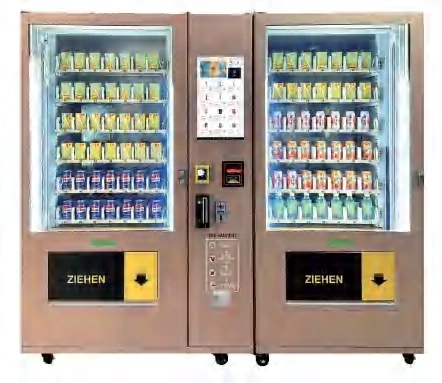 Flagship
Snacks & drinks
AA Combo Elevator Vending Machine
Two linked elevator cabinets, 540 items and one payment terminal.
View details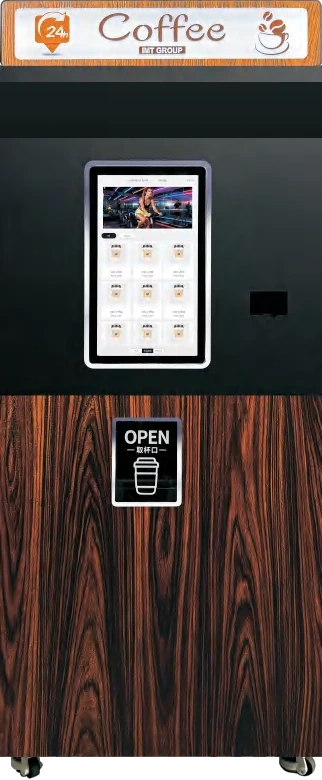 Flagship
Fresh food & drinks
Freshly Ground Coffee Vending Machine
Bean-to-cup coffee, six instant canisters and 150 cups per fill.
View details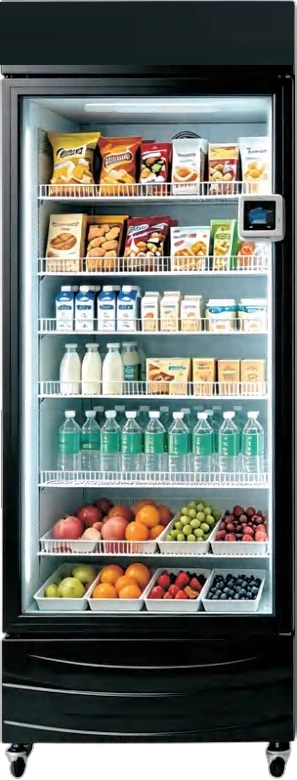 Flagship
Lockers & smart cabinets
NFC AI Smart Fridge
Open the door, take the item and charge the account automatically.
View details