Vending Route Planning: Stock and Service
Demand estimation, planogram design, restocking intervals, failed-delivery handling and the data to review each week on a vending route.
Quick answer: 1942×1096×790 mm · +4°C to +25°C · 550 W
A vending route is a small logistics business. The machine sells the product, but the route decides whether the product is there when the customer wants it. Most route problems are not hardware failures; they are stockouts, wrong planograms and service intervals that were set by habit rather than data.
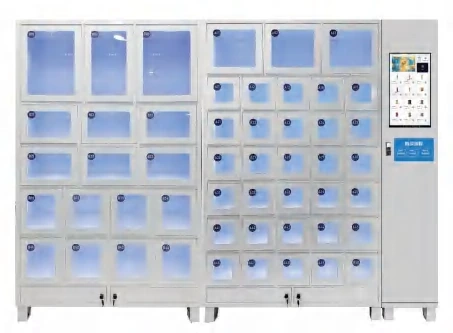
This guide describes a practical planning routine for a route of any size, from a handful of machines to a multi-city operation. The snack and beverage line and the locker and smart cabinet line are the platforms referenced in the examples.
How do you estimate demand for a new site?
Start with the site, not the machine. Count the people who pass the machine during its operating hours, and estimate how many will buy. A conservative planning range is two to five transactions per thousand passers-by for a well-placed snack and drink machine, but the actual rate depends on the product mix, price, competition and dwell time.
Adjust the estimate for:
- Dwell time: a waiting area or canteen converts better than a corridor.
- Captive audience: a factory or hospital has fewer alternatives.
- Price sensitivity: a premium product mix needs a higher-income or convenience-driven audience.
- Seasonality: campuses and tourist sites swing sharply between terms and holidays.
Write the estimate down. After four weeks, compare it with actual sales. The gap is the most useful number in the route plan. The transit hub solution and the office and factory solution show how dwell time and captive audiences change the estimate.
What makes a good planogram?
A planogram is the map of products to slots. It should follow the customer’s shopping pattern:
- Best sellers at eye level and near the payment screen.
- Related products next to each other (coffee and snacks, noodles and drinks).
- Heavy or large items on lower shelves.
- New products in visible positions with a clear price.
- Slow movers at the edges, not in the prime slots.
The planogram should also respect the machine. A tall bottle cannot go on a shelf with low clearance; a heavy item cannot go on a coil that is not rated for it. A bento box cabinet needs upright shelves, while a 60-slot touchscreen cabinet can carry a wider snack mix. The layout must be tested with the actual product.
How do you set the restocking interval?
The interval is a trade-off between service level and route cost. A simple method:
- Calculate average daily sales per machine.
- Multiply by the number of days between visits.
- Add a safety stock of 20–30% for demand variability.
- Check that the result fits the cabinet capacity.
If the result does not fit, either increase capacity, shorten the interval or reduce the product range. A master-slave combination adds capacity without a second control system, and a combo cabinet adds a chilled zone. Do not plan to run out of the best seller; a stockout costs more than an extra visit.
What data should the route review every week?
A useful weekly review covers five numbers per machine:
| Metric | What it tells you |
|---|---|
| Sales per slot | Which products earn their space |
| Stockout events | Which slots run empty before the visit |
| Failed deliveries | Which products or mechanisms need attention |
| Refund rate | Whether customers are paying for products they do not receive |
| Temperature alerts | Whether the cold chain is stable |
The review should produce actions, not reports. A slot with zero sales for two weeks is a candidate for replacement. A machine with repeated failed deliveries needs a service visit, not a price change. The software platform should produce these five numbers without manual consolidation.
How should failed deliveries and refunds be handled?
A failed delivery is a customer experience problem and a reconciliation problem. The machine should detect the failure, refund or credit the customer automatically where possible, and log the event with the slot, product and time.
The route team should review failed deliveries by product and by mechanism. A single product that fails repeatedly may be the wrong size for the coil. A machine that fails across many products may have a delivery sensor or alignment problem. An elevator machine and a refrigerated locker have different failure signatures, so the review should be split by format.
When should you add a machine instead of changing the planogram?
Add a machine when the site is capacity-constrained and the demand is proven. Change the planogram when the machine is not full but the assortment is wrong. The two problems look similar in a sales report; they require different investments.
A practical test: if the best-selling slots are empty before every visit and the site has space, add capacity. If the machine is full and sales are flat, change the product mix or the price before buying another cabinet. When the site outgrows a machine bank, a locker bank or a micro market may be a better format than a third cabinet.
What should be standardized across the route?
Standardize the parts that affect service cost: control boards, payment modules, lock types and shelf components. A route with five different cabinet generations is harder to service than a route with one platform in two sizes. The OEM and spare parts scope explains how a fleet can share part numbers, and the product overview shows the platform families.
Standardize the data format as well. Every machine should report sales, stock, temperature and faults in the same structure, so the route manager can compare sites without manual consolidation.
A vending route improves when the planogram, the service interval and the data review become a routine. The machine is the visible part; the routine is what makes it profitable. For the equipment side, read the selection framework, the payment guide, the temperature guide and the cost guide. The transit interchange case and the office coffee and lunch case show the routine applied to two different sites. For a route design review, contact the VendHarbor team with the site list and product mix.
Next step
Turn this guide into a configured machine
Send the product list, site conditions and target volume. We reply with a configuration, lead time and quotation — usually within one business day.
Machines mentioned in this article
 Flagship
Snacks & drinks
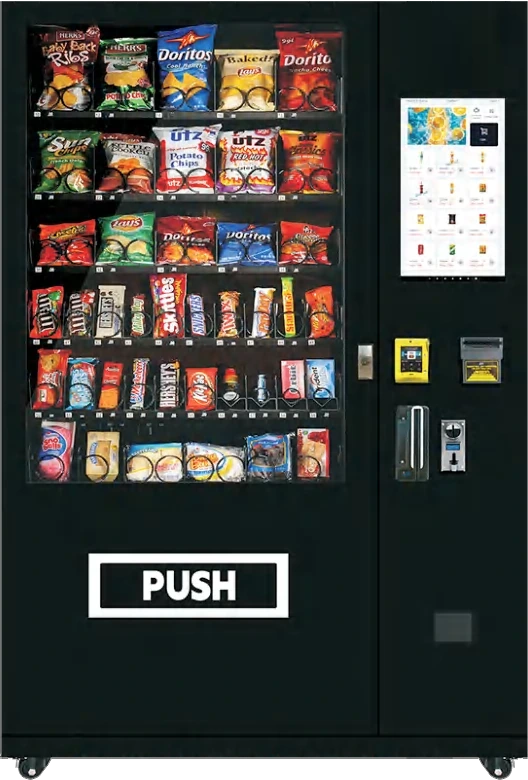
60-Slot Touchscreen Vending Machine
Six shelves, 300 items and a 7.1-inch touchscreen for drinks and snacks.
View details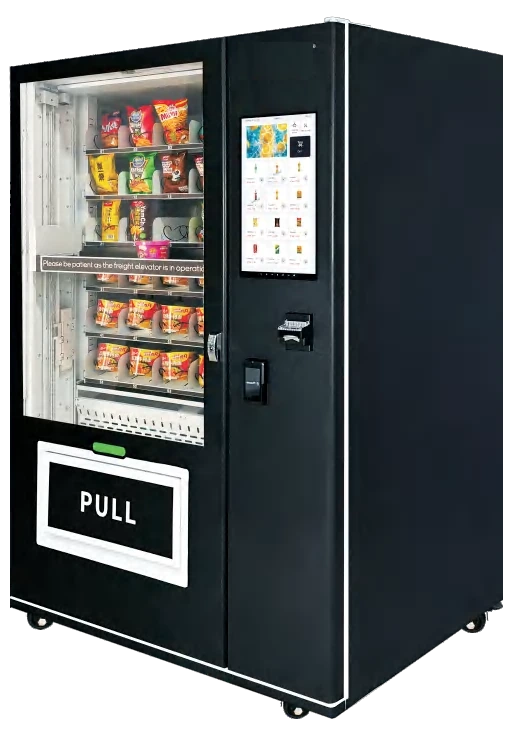 Flagship
Snacks & drinks
54-Slot Elevator Vending Machine
Gentle elevator delivery for fragile, irregular and heavier products.
View detailsFlagshipLockers & smart cabinets
50-Compartment Locker Vending Machine
Fifty independent doors in a 350 mm-deep cabinet.
View details